Keto — Electrolytes, Salt, and MCT Support for Low-Carb Diets
On keto or low-carb diets, the kidneys produce less insulin and excrete more sodium. This means that classic "keto flu" symptoms — headaches, fatigue, cramps — are usually about electrolyte and salt deficiency, not something mysterious. This collection focuses on the supplements our customers most commonly use for keto.
What happens in the body?
Glycogen stores lose water when carbohydrate intake is reduced. Along with it, sodium, potassium, and magnesium are lost. EFSA states that adults need at least 1,500 mg of sodium daily — on keto, the need can be double.
Our selection process
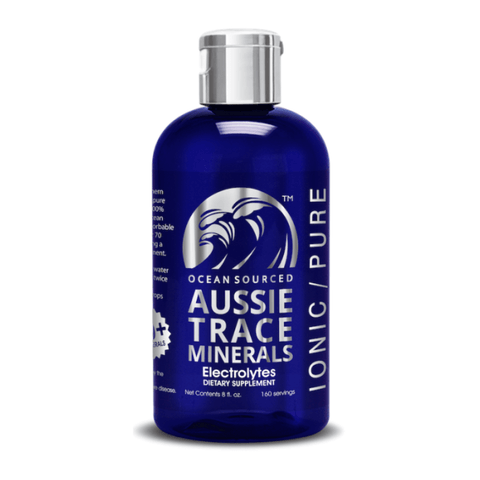
We prioritize Ancient Lakes Keto Salt 425 g (low sodium but rich in potassium and magnesium), Aussie Trace Minerals 60 and 240 ml for liquid trace minerals, Jigsaw Pickleball Cocktail for single-serving electrolytes, BiOptimizers Magnesium Breakthrough for broad-spectrum magnesium, and Ancient Lakes Natural Liquid Magnesium.
Frequently Asked Questions
How much salt do I need?
Many keto practitioners take 3–5g of extra salt daily in addition to food content. Listen to your body — headaches are often a signal for more salt.
What is the difference between Keto Salt and regular sea salt?
Keto Salt has lower sodium but higher potassium and magnesium. Regular sea salt is mostly sodium.
When in ketosis do I need electrolytes?
The beginning is most common — when water and electrolytes are rapidly lost. The maintenance period requires less, but never zero.